Open post
Close-up of microphones in a conference room

How Can Audio Visual Integration Transform Your Industry?

In today’s digitally driven world, audiovisual (AV) solutions have evolved far beyond screens and speakers. They’re now at the core of how industries communicate, collaborate, and enhance customer experiences. Whether you’re in hospitality, corporate, education, or healthcare, the integration of smart AV systems can redefine your environment and improve operational efficiency. So, how exactly can AV integration transform your industry?


The Corporate World: Enhancing Hybrid Collaboration.

Businesses today are embracing hybrid work models, where seamless communication is key. Integrated AV solutions offer high-quality video conferencing, intelligent meeting room scheduling, and centralized control systems. Modern boardrooms and collaboration spaces now feature:

  • Interactive displays and wireless presentation systems
  • Smart video and audio-conferencing tools
  • Integrated room booking systems and occupancy sensors

These tools not only enhance internal collaboration but also reduce operational costs and improve space utilization.


Hospitality: Personalizing the Guest Experience.

In hospitality, guest experience is everything. AV solutions like digital signage, interactive kiosks, and in-room entertainment systems are creating more personalized, tech-driven stays. Integration allows hotel staff to control lighting, temperature, and entertainment through centralized systems, offering:

  • Digital check-in and virtual concierge services
  • Automated ambiance control (lighting, curtains, music)
  • Targeted digital signage for promotions and navigation

Smart AV enhances the overall brand experience and improves operational agility.


Education: Creating Smart Learning Environments.

Modern classrooms are becoming more immersive and interactive thanks to AV integration. From virtual learning platforms to smart boards and lecture capture systems, educational institutions benefit from:

  • Real-time collaboration across campuses
  • Remote and hybrid learning support
  • Enhanced accessibility for students with disabilities

AV solutions empower educators to deliver dynamic and inclusive lessons, while giving students the tools to engage and collaborate more effectively.


Healthcare: Enabling Patient-Centric Communication.

In healthcare, communication can be a matter of life and death. Integrated AV systems support telemedicine, patient engagement, and internal communication for better outcomes. Use cases include:

  • Video-enabled consultation rooms for remote diagnoses
  • Digital wayfinding and patient check-in kiosks
  • Integrated control systems for operating rooms

AV solutions streamline workflows, reduce waiting times, and improve the quality of care delivered.


Retail: Transforming Customer Experience with AV.

In the retail sector, AV technology is transforming how brands engage with customers in physical spaces. Through a blend of digital signage, interactive displays, and immersive soundscapes, retailers can create personalized and visually dynamic experiences. AV integration in retail enables:

  • Real-time content delivery through interactive screens and digital signage
  • Custom promotions based on time of day, foot traffic, or customer profiles
  • Enhanced in-store navigation and product discovery with interactive kiosks

By combining AV systems with data analytics, retailers can target messaging, guide customer flow, and elevate the in-store journey, leading to longer dwell times, increased conversions, and stronger brand loyalty.


Government and Public Sector: Informing and Protecting Communities.

From control rooms to city halls, AV is critical in ensuring efficient operations and community engagement. Applications include:

  • Public announcement systems
  • Emergency command centers
  • Digital signage for wayfinding and alerts

Integrated AV ensures clarity, speed, and reliability in high-stakes environments.


Why Integration Matters More Than Ever.

The real power of AV lies in how well it’s integrated into broader building systems. Unified control, real-time monitoring, and proactive support become possible when AV is connected with IT infrastructure, automation platforms, and user interfaces. This integration brings:

  • Centralized control and monitoring
  • Energy and resource efficiency
  • Scalable and future-ready infrastructure

Choosing the Right Partner.

Working with an experienced AV integrator ensures that your systems are purpose-built and aligned with your operational goals. From planning to deployment to ongoing support, a partner who understands your industry will maximize ROI and user satisfaction.


Ready to Transform Your Environment?

AV technology is no longer just about hardware; it’s about how people experience spaces. Whether you’re aiming to improve collaboration, boost customer engagement, or streamline operations, integrated AV solutions can help you get there.

Contact Our AV Experts

Open post
Business people at the conference. Colleagues are giving high five and smiling

Convergint Named #1 Systems Integrator by SDM Magazine For Eighth Year in a Row

2025 SDM Top Systems Integrators graphic

Ranking highlights the company’s dedication to exceptional service, safety, and innovation

Convergint, a global systems integrator, has been named the #1 Systems Integrator in SDM Magazine‘s 2025 Top Systems Integrators Report. Convergint has achieved this recognition from SDM for the eighth year in a row, reflecting the company’s year-over-year growth and dedication to exceeding customer expectations.

“Topping SDM’s Top System Integrator Report for the eighth consecutive year is a powerful affirmation of Convergint’s relentless commitment to our customers’ ongoing success,” said Ann Fandozzi, CEO, Convergint.

“Our unwavering fidelity to exceptional service, safety, and innovation continues to strengthen our valued partner and customer relationships in this dynamic, ever-evolving industry.”

SDM’s Top Systems Integrators Report ranks companies by systems integration revenue (North America), which includes solutions such as design, project management, product, installation, programming, start-up, and training sold directly to an end-user customer or through a tier of contractors.

Convergint’s consistent top ranking also reflects the company’s expanding footprint, evident in its execution of 39,200 new projects across the globe in 2024. This scale demonstrates Convergint’s commitment to delivering service and innovation to a diverse customer base worldwide.

Since Dan Moceri and Greg Lernihan founded Convergint in 2001, the company has seen a sustained trajectory of uninterrupted growth. The company attributes this success to its Values and Beliefs, 10 guiding principles that were formed at its foundation and remain in place over two decades later. These Values and Beliefs are the heart of Convergint’s positive culture of service.


About Convergint

Convergint is a $2.6 billion global, industry-leading systems integrator that designs, installs, and services electronic security, cybersecurity, fire and life safety, building automation, and audio-visual systems. Listed as the #1 systems integrator in SDM Magazine’s Top Systems Integrators Report for the past 8 years and a U.S. News & World Report ‘Best Company to Work For,’ Convergint leads with over 10,000 colleagues and more than 220 locations worldwide. To learn more about Convergint, visit www.convergint.com.

Open post
Handshake of businesspeople. Female and male hand makes a handshake in the office.

Convergint Acquires A+ Technology & Security Solutions, Strengthening Integrated Security Offerings in the Northeast

A+ Technology & Security

Acquisition Bolsters Public Sector Expertise with a Focus on Open-Standards Solutions

Convergint, a global leader in service-based systems integration, today announces the acquisition of A+ Technology & Security Solutions, a leading security integrator based in Bay Shore, New York, with over 30 years of experience serving Long Island and the broader Northeastern region. This acquisition strengthens Convergint’s capabilities across key sectors, including K-12 education, higher education, law enforcement, government, municipalities, and commercial clients.

“This acquisition represents a significant step forward in Convergint’s strategic growth, particularly in the public sector and Northeast,” said Sean Flint, president of Americas, Convergint. “The team brings deep domain expertise, a strong local presence, and an approach centered on open standards and converged solutions, which aligns with our mission to be our customers’ best service provider.”

Founded in 1989 by David Antar, A+ Technology & Security Solutions specializes in the convergence of physical security, offering end-to-end services from design through installation and support. Known for its open-standards approach, the company delivers flexible and scalable solutions without the constraints of proprietary systems. This model helps reduce total cost of ownership and simplifies procurement, making it especially valuable for the public sector.

“Becoming part of Convergint allows us to keep doing what we do best—exceeding our customer expectation while making the world a smarter, safer, and healthier place—and now gaining the support and scale of a global organization to do so,” said David Antar, founder, A+ Technology & Security Solutions. “We’ve always believed in putting people first, and it’s clear Convergint shares that same mindset.”

As part of the acquisition, all A+ Technology & Security Solutions’ employees join Convergint and bring expertise across video management, access control, virtual guarding, visitor management, and panic and lockdown systems.


About Convergint

Convergint is a $2.6 billion global, industry-leading systems integrator that designs, installs, and services electronic security, cybersecurity, fire and life safety, building automation, and audio-visual systems. Listed as the #1 systems integrator in SDM Magazine’s Top Systems Integrators Report for the past 8 years and a U.S. News & World Report ‘Best Company to Work For,’ Convergint leads with over 10,000 colleagues and more than 220 locations worldwide. To learn more about Convergint, visit www.convergint.com.

Open post
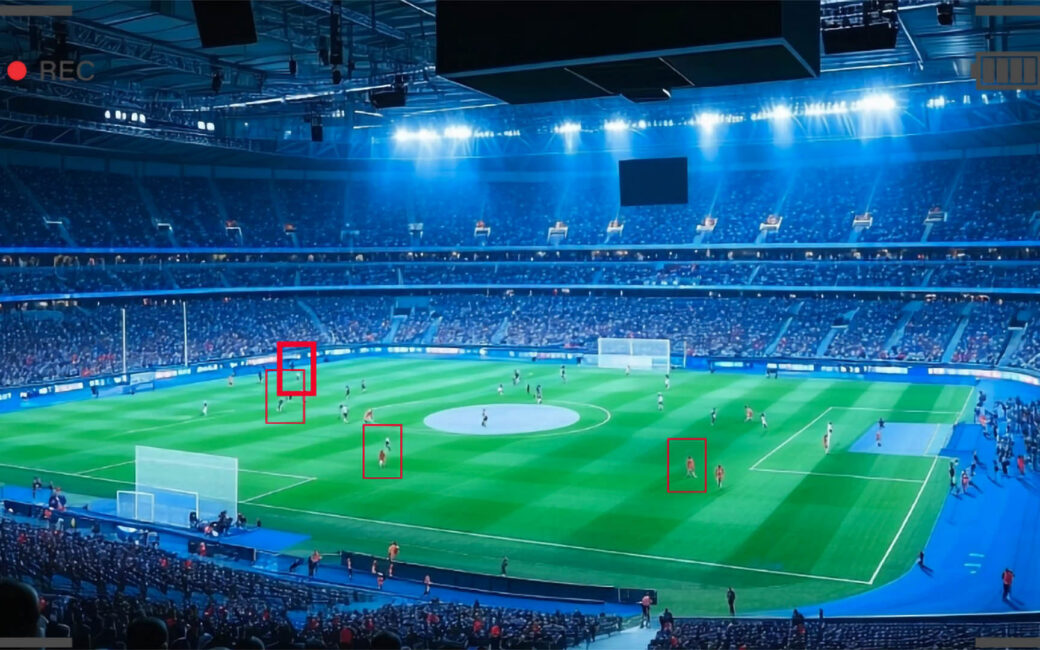
a security camera view of a soccer stadium filled with people with red squares tracking players across the field

Smarter Stadiums: How AI Video Analytics is Transforming Security Operations

The scale and complexity of stadium operations demand more than human oversight. Artificial Intelligence (AI)-driven video analytics is emerging as a game-changing technology for security teams managing high-density, fast-moving environments like stadiums.

What AI Video Analytics Brings to Stadiums?

Real-Time Crowd Analytics
AI can detect crowd density, flow direction, bottlenecks, and overcrowding in real time. This helps operators make data-driven decisions on gate closures, evacuations, or re-routing fan traffic, enhancing both safety and the spectator experience.

Intrusion & Perimeter Detection
Smart analytics can detect unauthorized access, loitering, or suspicious activity at restricted zones such as player tunnels, control rooms, or perimeter fences, without constant manual monitoring.

Automated Threat Identification
AI algorithms can distinguish between normal movement and actual threats. For example, a fan running in a corridor might be ignored, but someone jumping barriers or leaving a suspicious object triggers an instant alert to operators.

Video Search & Incident Review
When incidents occur, AI dramatically shortens the time needed to investigate. Operators can search based on behaviors, objects, or color rather than scanning hours of footage, speeding up response and post-event reporting.

Cybersecure and Scalable
AI solutions are increasingly being deployed at the edge (within cameras or sensors), reducing latency. However, this raises cybersecurity risks, highlighting the need for secure, well-integrated platforms built with defense-grade protections.


Conclusion

In a fast-paced stadium environment, AI video analytics enables operators to move from passive monitoring to active decision-making. For Saudi Arabia’s growing portfolio of mega-venues, integrating such smart technologies isn’t just optional; it’s essential for a secure and future-ready infrastructure.

Would you like to discover more? Join us for an exclusive webinar in partnership with Genetec to explore how intelligent video analytics is transforming stadium safety, command center efficiency, and real-time threat response.

Join the Webinar

Open post
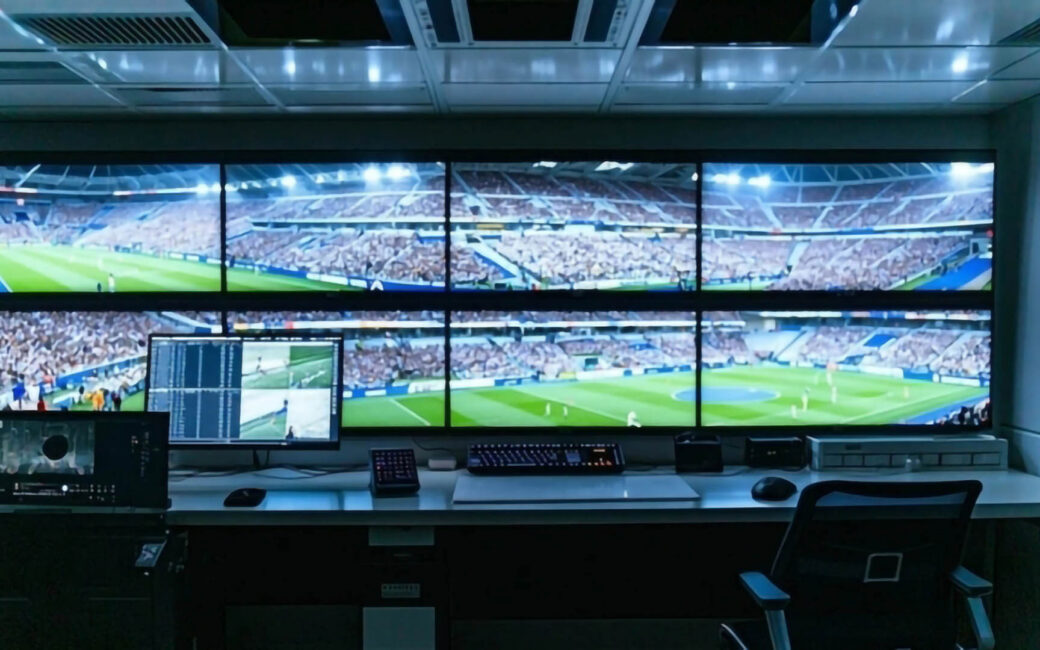
a security monitor room of a sports stadium

Unified Command Centers for National Sports Infrastructure: Enabling AI-Driven Safety and Control in Saudi Stadiums

As Saudi Arabia accelerates the development of mega stadiums and sports facilities under Vision 2030, the emphasis on safety, scalability, and smart operations has never been more critical. These venues are expected not only to host international sporting events but also to meet global standards for fan experience, digital infrastructure, and integrated safety.

At the core of this transformation lies the unified command center, a centralized hub that integrates all physical security and operational systems into a single intelligent environment. It is here that AI-powered video analytics, unified security platforms, and seamless system integration converge to ensure real-time situational awareness, crowd safety, and secure environments for athletes, officials, and visitors alike.

The Role of AI in Stadium Command Centers

Traditional surveillance systems depend heavily on human monitoring, which is both labor-intensive and prone to oversight, especially in high-density, high-movement environments like stadiums. AI video analytics changes this paradigm by enabling:

  • Real-time crowd monitoring: Automatically detect overcrowding, bottlenecks, and unusual crowd movement patterns, helping operators make fast decisions on evacuation, routing, or gate control.
  • Behavioral analysis: Identify abnormal behavior such as loitering, fights, unauthorized area access, or contraband placement.
  • Zone-specific threat detection: Monitor restricted areas like locker rooms, team benches, and player access corridors for any breaches or suspicious activity.
  • Automated alert prioritization: Filter out noise from real threats, reducing alert fatigue and enabling operators to focus on high-priority incidents.

Edge-based AI processing also means analytics can be conducted on individual cameras or drones, delivering near-instant insights with minimal bandwidth demands, ideal for live event environments.

Unified Security Management Software: One Interface, Full Control

An intelligent command center is only as effective as the platform it runs on. Modern stadiums now require unified security management software that consolidates:

  • Video Surveillance Systems (VMS)
  • Access Control Systems (ACS)
  • Intrusion Detection
  • Emergency Communication Systems
  • License Plate Recognition (LPR)
  • Drone and Perimeter Monitoring
  • AI Video Analytics Engines

By integrating all systems under one intuitive interface, stadium operators can track incidents across multiple data sources in real time. A single alert can trigger coordinated actions, locking specific access doors, dispatching security personnel, or displaying evacuation routes across digital signage.

Platforms like Genetec Security Center enable this level of orchestration, offering open architecture, vendor-agnostic integration, and real-time collaboration with public safety authorities such as local police or civil defense.

Systems Integration for Smart Stadium Command & Control

The success of a unified command center relies on seamless systems integration. Integrators like Convergint MEA specialize in designing and deploying Security Operations Centers (SOCs) that are tailored to the specific requirements of sports venues, including:

  • Multi-zone video wall and dashboard control
  • Integration with existing infrastructure and networks
  • Scalable architecture for mega-events and future expansion
  • Redundant systems for 24/7 operation and disaster recovery
  • Federated data sharing between stadiums, ministries, and city-wide security networks

By designing SOCs from the ground up, hardware, software, and workflows, integrators ensure that all technology works in concert and that operators have the tools needed for rapid decision-making under pressure.

Prioritizing Crowd and Player Safety

In national sports infrastructure, public safety and athlete protection go hand-in-hand. AI-integrated command centers support:

  • VIP and team escort monitoring: Ensuring players and officials move securely between zones without disruption.
  • Evacuation modeling: Simulating and executing real-time emergency response plans based on crowd behavior and facility capacity.
  • Dynamic threat response: Automatically adjusting surveillance priorities based on real-time event data (e.g., pitch invasion, smoke detection, perimeter breach).
  • Data logging and post-incident analysis: Enabling continuous improvement and compliance with event safety regulations.

The Future is Integrated, Intelligent, and Scalable

Saudi Arabia’s vision to lead in sports infrastructure demands more than physical capacity; it requires an integrated digital backbone that ensures secure, seamless, and intelligent operations. Unified command centers, powered by AI and connected systems, form this foundation.

Join us for an exclusive webinar in partnership with Genetec, where we will explore how modern command and control technologies are transforming stadium safety, operations, and return on investment. Learn how AI video analytics and integrated platforms can help secure Saudi Arabia’s most iconic venues, now and in the future.

Join the Webinar

Open post
an exterior shot of power line towers

Prevent the Next Shutdown: How Utilities Can Stay Resilient with AI-Enabled Security Systems

What Happens When Utility Infrastructure Is Left Unprotected Against Evolving Threats?

Utility providers, whether in electricity, water, gas, or telecommunications, operate at the intersection of critical infrastructure and national security. Their facilities span vast geographies, often in harsh or remote environments, making them attractive targets for both cyber and physical threats. The growing attack surface, along with regulatory pressure and aging infrastructure, is forcing operators to rethink how they secure, monitor, and maintain their networks.

At MVP Tech – A Convergint Company, we approach utilities security beyond deploying cameras or sensors. It’s about engineering integrated, intelligent ecosystems that combine physical security, operational technology, and artificial intelligence to deliver real-time visibility, proactive response, and system-wide resilience.

Why Systems Integration is Key in Utilities

Utility environments are complex. Substations, pumping stations, control rooms, transmission lines, and treatment facilities each carry distinct operational requirements and threat profiles. Many of these sites are unmanned, run continuously, and are located in remote or harsh environments, conditions that make conventional, standalone security systems inadequate.

The role of a systems integrator is to unify these disparate technologies, video surveillance, access control, intrusion detection, SCADA and OT network integration, AI analytics, and communication systems into a centralized, cohesive platform. This integration enables centralized control, better situational awareness, and faster, data-driven response across all operational layers.

MVP Tech specializes in designing and implementing integrated solutions for mission-critical sites across the region, including high-voltage power grids, desalination plants, and pipeline infrastructure. By engineering solutions that are scalable, redundant, and AI-enabled, we help operators manage risk and compliance in real time.

AI Security Applications That Are Changing the Game

a security monitor room of a sports stadium

AI has become a strategic asset in utility security, automating detection, filtering noise, and predicting potential failures before they become incidents. Here are the top AI applications systems integrators deploy for securing utility assets:

1. AI-Powered Video Surveillance with Real-Time Object Recognition

Modern video management systems use deep learning to identify people, vehicles, and behavior patterns with high accuracy. Unlike basic motion-triggered alerts, AI-enabled video analytics can:

  • Distinguish between human and non-human movement.
  • Detect loitering or unauthorized access in restricted zones.
  • Trigger alerts for fence jumping, tailgating, or perimeter crawling.
  • Recognize vehicles parked for too long near critical assets.

These analytics are integrated into centralized dashboards, reducing operator fatigue and ensuring actionable responses, not just footage playback.

2.Perimeter Intrusion Detection Using AI Sensor Fusion

By combining radar, thermal imaging, ground sensors, and video analytics, AI models can detect and classify threats in real time, even in poor visibility or low-light conditions. Machine learning filters out false alarms (e.g., wind-blown debris) and escalates only high-confidence events.

In remote substations or gas fields, this is critical. Systems can automatically correlate data across multiple sensors to confirm a real intrusion, activating deterrents such as lights, sirens, or even dispatching drones for visual confirmation.

3. SCADA Anomaly Detection and OT Network Monitoring

Utility networks rely heavily on SCADA systems, which were not designed with cybersecurity in mind. AI-based monitoring tools learn the expected behavior of OT devices, voltage levels, data traffic, command sequences, and flag deviations that might indicate a cyberattack or malfunction.

These alerts can be fed into SIEM platforms or command centers to provide a single pane of glass that merges physical and cyber alerts, enabling faster incident response.

4. Automated Drone Surveillance for Remote Inspections

AI-equipped drones can be programmed to patrol power lines, solar farms, or oil pipelines, capturing high-resolution thermal and visual data. Real-time video feeds are analyzed for asset damage, overheating, vegetation encroachment, or unauthorized access.

As integrators, we deploy these systems to work in tandem with ground-based alarms. For instance, if a seismic sensor detects ground movement, drones can be launched autonomously to verify the cause, whether it’s trespassing or equipment disturbance.

5. Facial Recognition and Multi-Factor Access Control

For high-security zones like control centers or data facilities, AI-enabled facial recognition ensures only authorized personnel gain access. When integrated with access control systems, time logs, and visitor management platforms, it enables:

  • Real-time identity verification.
  • Anti-passback and tailgating prevention.
  • Audit trails for compliance reporting.
  • Some utilities also use AI to detect fatigue or PPE compliance, ensuring safety protocols are followed before access is granted.

6. Predictive Maintenance and Asset Health Monitoring

While primarily an operations function, predictive maintenance has a major role in risk reduction. AI models process data from equipment sensors, temperature, vibration, current, and flow to forecast failures before they happen. A pump overheating or a transformer showing abnormal load can be flagged early, avoiding costly shutdowns or safety incidents.

Integrating this data into the central command platform gives operators complete visibility, merging security and operational data in one place.

Delivering End-to-End Utility Security with Engineering Depth

At MVP Tech – Convergint, we don’t just deploy technology; we engineer outcomes. Our deep bench of engineers, project managers, and support teams understands the criticality of utilities and the nuances of each site. Whether the requirement is securing an offshore pumping station or a high-voltage control center in the desert, we apply a tailored, engineering-first approach.

We work with global technology partners to deliver best-in-class solutions, from AI analytics platforms and command-and-control software to hardened field devices and long-range surveillance. More importantly, we provide lifecycle support, preventive maintenance, and continuous system upgrades to ensure long-term value.


Final Words

Securing utilities in the current threat landscape is no longer about reacting; it’s about anticipating. Through intelligent systems integration and AI-driven solutions, utility providers can gain real-time control, ensure safety, and meet compliance, while maintaining uninterrupted service for the communities they serve.

At MVP Tech – Convergint, we bring the scale, expertise, and local delivery capability to turn complex utility security challenges into engineered, reliable systems.

Open post
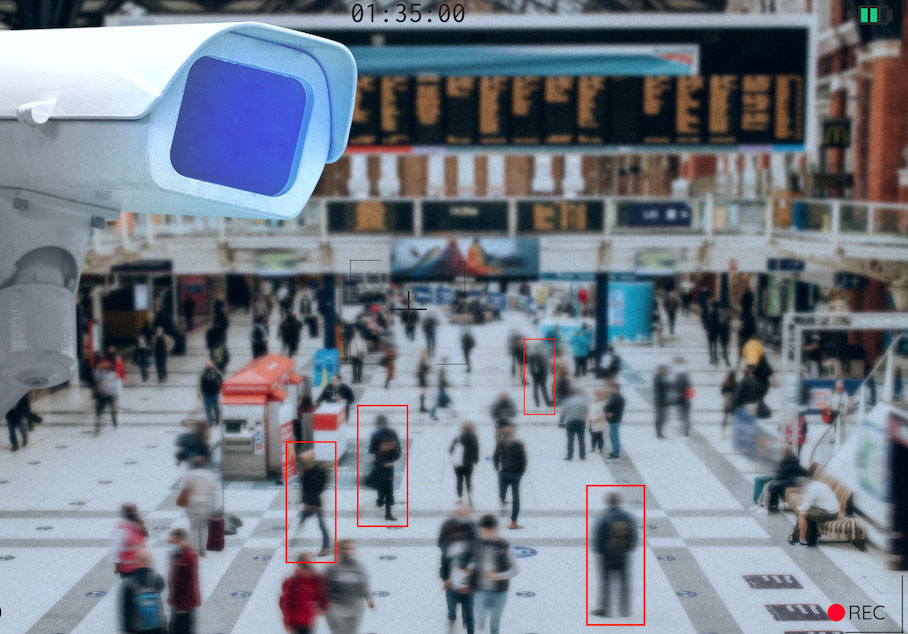
Smart surveillance system monitoring a crowded space

Smart Surveillance in Crowded Spaces: Centralized Solutions for Safety, Flow, and Rapid Response

In Saudi Arabia’s rapidly growing cities, bustling commercial centers, and world-renowned religious sites, managing crowded environments is both a logistical challenge and a security imperative. Whether it’s the peak of Hajj season in Makkah, a busy weekend in a Riyadh shopping mall, or major events at giga-project venues, the question remains: how do you ensure safety, optimize movement, and respond swiftly to incidents, all without overwhelming manpower?


The answer lies in centralized remote surveillance powered by AI and intelligent video analytics.

1- The Need for Smarter Surveillance in High-Density Zones

Traditional surveillance systems, often siloed by building or zone, struggle to keep up with the dynamic flow of large crowds. In high-density areas, risks such as overcrowding, unattended objects, suspicious behavior, or medical emergencies require real-time detection and coordinated response. Manual monitoring alone is no longer sufficient.

2- Centralized Remote Surveillance: The Next Step in Public Safety

Modern centralized surveillance systems integrate feeds from multiple locations into a unified platform, typically a command and control center, enabling faster decision-making and more efficient operations.

By combining AI-powered analytics with multi-site video management systems (VMS), operators can:

  • Monitor live video and alerts across multiple zones or cities
  • Detect anomalies instantly, without constant human observation
  • Coordinate emergency responses using integrated comms and public address systems

3- Key Applications for Crowded Spaces

Centralized remote surveillance powered by AI

Centralized surveillance unlocks a wide range of smart features, particularly beneficial in areas with heavy foot traffic:

  1. Crowd Density Monitoring & People Counting: Track real-time footfall and identify overcrowded zones to prevent congestion or potential hazards.
  2. Heatmapping & Flow Optimization: Analyze movement patterns to guide signage, improve space design, or dynamically control access during peak hours.
  3. Anomaly & Behavioral Detection: Detect irregular behavior, such as loitering, panic movements, or aggressive gestures, before incidents escalate.
  4. Unattended Object Recognition: Spot luggage or items left behind, triggering alerts for potential security threats or loss prevention.
  5. Facial Recognition for Watchlists: Identify persons of interest in large crowds, useful for stadium security, transport hubs, or major events (with appropriate privacy compliance).
  6. Integrated Emergency Response: Trigger evacuation protocols, send instant alerts to on-site teams, or broadcast instructions through PA systems, all from one platform.

Where This Matters Most in Saudi Arabia.

  • Religious Sites – Managing millions of pilgrims during Hajj and Umrah with drone surveillance, thermal cameras, and AI-based monitoring.
  • Public Transit Hubs – Metro stations, airports, and bus terminals benefit from layered monitoring and flow control.
  • Retail & Commercial Centers – Unified surveillance for multiple locations across cities supports loss prevention and safety.
  • Mega Events & Giga-Projects – Large-scale gatherings such as Diriyah Season, Expo events, or NEOM showcase zones demand real-time, centralized security.

Implementation: How to Start.

Adopting centralized surveillance isn’t just about installing new cameras—it’s about building a cohesive ecosystem:

  • Audit and map high-risk or high-flow zones
  • Integrate existing CCTV infrastructure into a centralized VMS
  • Deploy AI analytics for smarter event detection
  • Partner with experienced systems integrators to ensure scalability and compliance

From Visibility to Control.

The shift toward centralized remote surveillance isn’t just a trend it’s becoming essential for governments, developers, and private operators tasked with safeguarding crowded environments. With smart technologies and a unified strategy, Saudi Arabia can continue to lead in creating secure, intelligent spaces for its citizens and visitors.

Need to explore centralized surveillance for your facility or city?
Our experts are here to help you design intelligent systems that give you more than just visibility; they give you control.

Contact Our Experts

Open post
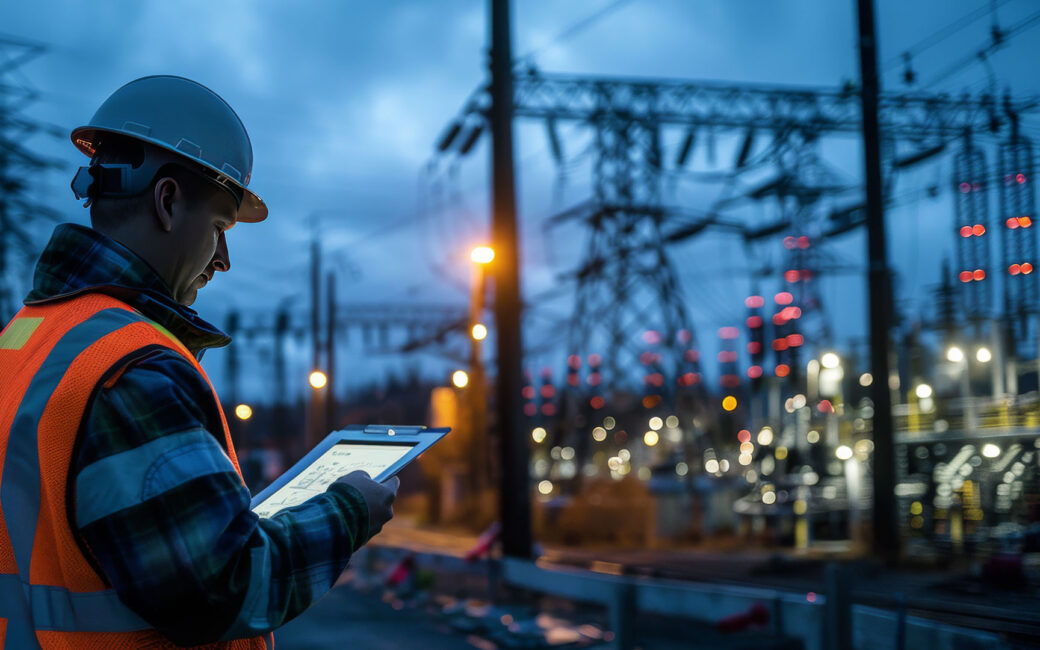
Worker looking at iPad at a substation

Prevent the Next Shutdown: How Utilities Can Stay Resilient with AI-Enabled Security Systems

What Happens When Utility Infrastructure Is Left Unprotected Against Evolving Threats?

Utility providers, whether in electricity, water, gas, or telecommunications, operate at the intersection of critical infrastructure and national security. Their facilities span vast geographies, often in harsh or remote environments, making them attractive targets for both cyber and physical threats. The growing attack surface, along with regulatory pressure and aging infrastructure, is forcing operators to rethink how they secure, monitor, and maintain their networks.

At MVP Tech – A Convergint Company, we approach utilities security beyond deploying cameras or sensors. It’s about engineering integrated, intelligent ecosystems that combine physical security, operational technology, and artificial intelligence to deliver real-time visibility, proactive response, and system-wide resilience.


Why Systems Integration is Key in Utilities.

Utility environments are complex. Substations, pumping stations, control rooms, transmission lines, and treatment facilities each carry distinct operational requirements and threat profiles. Many of these sites are unmanned, run continuously, and are located in remote or harsh environments, conditions that make conventional, standalone security systems inadequate.

The role of a systems integrator is to unify these disparate technologies, video surveillance, access control, intrusion detection, SCADA and OT network integration, AI analytics, and communication systems into a centralized, cohesive platform. This integration enables centralized control, better situational awareness, and faster, data-driven response across all operational layers.

MVP Tech specializes in designing and implementing integrated solutions for mission-critical sites across the region, including high-voltage power grids, desalination plants, and pipeline infrastructure. By engineering solutions that are scalable, redundant, and AI-enabled, we help operators manage risk and compliance in real time.


AI Security Applications That Are Changing the Game.

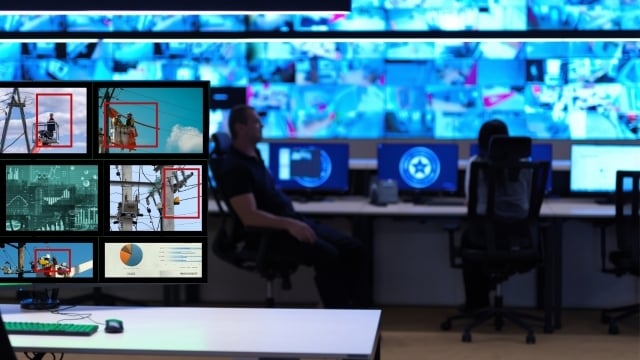
Security team watching security monitors along with AI

AI has become a strategic asset in utility security, automating detection, filtering noise, and predicting potential failures before they become incidents. Here are the top AI applications systems integrators deploy for securing utility assets:

  1. AI-Powered Video Surveillance with Real-Time Object Recognition

Modern video management systems use deep learning to identify people, vehicles, and behavior patterns with high accuracy. Unlike basic motion-triggered alerts, AI-enabled video analytics can:

  • Distinguish between human and non-human movement.
  • Detect loitering or unauthorized access in restricted zones.
  • Trigger alerts for fence jumping, tailgating, or perimeter crawling.
  • Recognize vehicles parked for too long near critical assets.

These analytics are integrated into centralized dashboards, reducing operator fatigue and ensuring actionable responses, not just footage playback.

  1. Perimeter Intrusion Detection Using AI Sensor Fusion

By combining radar, thermal imaging, ground sensors, and video analytics, AI models can detect and classify threats in real time, even in poor visibility or low-light conditions. Machine learning filters out false alarms (e.g., wind-blown debris) and escalates only high-confidence events.

In remote substations or gas fields, this is critical. Systems can automatically correlate data across multiple sensors to confirm a real intrusion, activating deterrents such as lights, sirens, or even dispatching drones for visual confirmation.

  1. SCADA Anomaly Detection and OT Network Monitoring

Utility networks rely heavily on SCADA systems, which were not designed with cybersecurity in mind. AI-based monitoring tools learn the expected behavior of OT devices, voltage levels, data traffic, command sequences, and flag deviations that might indicate a cyberattack or malfunction.

These alerts can be fed into SIEM platforms or command centers to provide a single pane of glass that merges physical and cyber alerts, enabling faster incident response.

  1. Automated Drone Surveillance for Remote Inspections

AI-equipped drones can be programmed to patrol power lines, solar farms, or oil pipelines, capturing high-resolution thermal and visual data. Real-time video feeds are analyzed for asset damage, overheating, vegetation encroachment, or unauthorized access.

As integrators, we deploy these systems to work in tandem with ground-based alarms. For instance, if a seismic sensor detects ground movement, drones can be launched autonomously to verify the cause, whether it’s trespassing or equipment disturbance.

  1. Facial Recognition and Multi-Factor Access Control

For high-security zones like control centers or data facilities, AI-enabled facial recognition ensures only authorized personnel gain access. When integrated with access control systems, time logs, and visitor management platforms, it enables:

  • Real-time identity verification.
  • Anti-passback and tailgating prevention.
  • Audit trails for compliance reporting.

Some utilities also use AI to detect fatigue or PPE compliance, ensuring safety protocols are followed before access is granted.

  1. Predictive Maintenance and Asset Health Monitoring

While primarily an operations function, predictive maintenance has a major role in risk reduction. AI models process data from equipment sensors, temperature, vibration, current, and flow to forecast failures before they happen. A pump overheating or a transformer showing abnormal load can be flagged early, avoiding costly shutdowns or safety incidents.

Integrating this data into the central command platform gives operators complete visibility, merging security and operational data in one place.


Delivering End-to-End Utility Security with Engineering Depth.

At MVP Tech – Convergint, we don’t just deploy technology; we engineer outcomes. Our deep bench of engineers, project managers, and support teams understands the criticality of utilities and the nuances of each site. Whether the requirement is securing an offshore pumping station or a high-voltage control center in the desert, we apply a tailored, engineering-first approach.

We work with global technology partners to deliver best-in-class solutions, from AI analytics platforms and command-and-control software to hardened field devices and long-range surveillance. More importantly, we provide lifecycle support, preventive maintenance, and continuous system upgrades to ensure long-term value.


Final Words.

Securing utilities in the current threat landscape is no longer about reacting; it’s about anticipating. Through intelligent systems integration and AI-driven solutions, utility providers can gain real-time control, ensure safety, and meet compliance, while maintaining uninterrupted service for the communities they serve.

At MVP Tech – Convergint, we bring the scale, expertise, and local delivery capability to turn complex utility security challenges into engineered, reliable systems.

Explore our Energy Solutions

Open post
Mature businessman laughing while sitting with a diverse group of coworkers during a meeting in an office

Convergint Earns U.S. News & World Report’s 2025-2026 ‘Best Company To Work For’ Recognition

Convergint Earns U.S. News & World Report’s 2025-2026 ‘Best Company To Work For’ Recognition

For the second consecutive year, Convergint has been named a ‘Best Company to Work For’ by U.S. News

Convergint, a global systems integrator, has been named a U.S. News & World Report 2025-2026 “Best Company to Work For,” earning recognition in the Real Estate and Facilities Management category. Convergint has received this recognition from U.S. News for a second year in a row, a reflection of the company’s long-standing Values & Beliefs and the role colleagues play in powering its positive culture.

This year’s award was based on U.S. News’ independent review of nearly 1,100 privately held companies and non-profit organizations across the United States. The evaluation draws from publicly available information to assess how organizations prioritize and support employee experience.

“Being named a ‘Best Company to Work For’ for two years in a row is a testament to the strong vision, values, and culture that have been integral to the foundation of Convergint since day one,” said Ann Fandozzi, CEO, Convergint.

“Our colleagues are the backbone of Convergint’s success, and we’re deeply invested in creating a workplace where everyone feels supported, inspired, and genuinely valued.”

To determine the best workplaces, U.S. News’ editorial team analyzed employee perceptions across six factors that are important to employee well-being: quality of pay and benefits, work-life balance and flexibility, job and company stability, physical and psychological comfort, belongingness and esteem, and career opportunities and professional development. Only companies that landed in the top 25% of their industry and region earned a place on the list.


About Convergint

Convergint is a $2.6 billion global, industry-leading systems integrator that designs, installs, and services electronic security, cybersecurity, fire and life safety, building automation, and audio-visual systems. Listed as the #1 systems integrator in SDM Magazine’s Top Systems Integrators Report for the past 6 years and a U.S. News & World Report ‘Best Company to Work For,’ Convergint leads with over 10,000 colleagues and more than 220 locations worldwide. To learn more about Convergint, visit www.convergint.com.

Open post
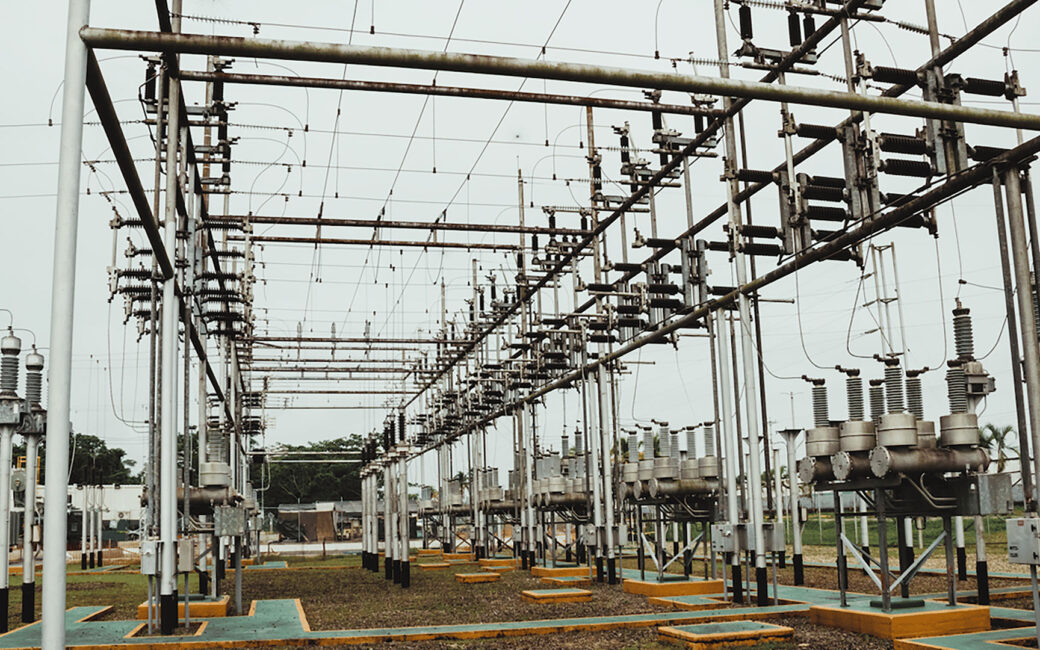
Energy grid substation

AI-Driven Security for Critical Sites: Building Resilient Smart Cities of Tomorrow

Security team watching surveillance monitors

The Urgency of Change

Why now?

This is the question many public sector leaders are asking as cities expand, populations grow, and threats become more complex. Traditional, reactive security systems, built on fragmented siloes and outdated infrastructure, are no longer viable. The evolution is clear: governments must shift toward centralized, AI-powered ecosystems that provide real-time awareness, interoperability across ministries, and the agility to respond to modern-day risks.

In this blog, we’ll explore how national security is transforming across the Middle East and beyond, and what it takes to build smart, scalable, and future-ready systems.


1- Why Do Governments Need AI-Powered Ecosystems Now?

Population growth. Urban expansion. Increased complexity.

Across the GCC and wider MENA region, governments are investing heavily in infrastructure, from transportation and utilities to smart buildings and public services. But as cities grow smarter, the security systems protecting them must grow smarter too.

Legacy surveillance or access control systems, operating in isolation, don’t offer the situational awareness needed for real-time decision-making. They create blind spots and inefficiencies, especially when every second counts. That’s where AI-powered ecosystems come in.

With centralized platforms fueled by machine learning and edge AI, authorities can:

  • Detect threats proactively through pattern recognition and behavioral analytics
  • Synchronize data across agencies and departments
  • Minimize response times through automated alerts and decision support systems
  • Ensure compliance, data protection, and operational continuity at scale

In short, it’s no longer a question of “if “AI will be part of national protection strategies; it’s “how” fast governments can deploy it.


2- From Siloed to Centralized: Designing Smart Security Infrastructure.

What does it take to break the siloes between ministries and national entities?

A successful centralized security architecture must be:

  • Modular to integrate legacy systems and allow gradual upgrades
  • Interoperable across agencies, law enforcement, utilities, defense, transport
  • Data-centric, using AI to transform raw feeds into actionable insights
  • Resilient enough to maintain performance in remote, resource-constrained locations

In the Middle East, we’ve already seen real-world impact. Recent government-led initiatives are embracing centralized control rooms and AI-based platforms that:

  • Improve coordination between border security, municipal safety, and critical infrastructure
  • Optimize workforce deployment and reduce false alarms
  • Increase operational visibility through a unified dashboard across command centers

This isn’t just an upgrade, it’s a strategic shift in how nations perceive and manage security.


3- Why the Edge Matters: Delivering AI Where It Counts.

Why is the edge the new frontline for national protection?

AI at the edge, processing data where it’s generated, has become essential for high-stakes environments like:

  • Border crossings and immigration points
  • Energy production and distribution facilities
  • Smart airports and transportation terminals

When milliseconds matter, sending data to the cloud and back sometimes can be too slow and too risky. Purpose-built edge AI hardware enables:

  • Low-latency decision making in mission-critical zones
  • Reduced cloud dependency, lowering bandwidth costs, and improving security
  • Real-time anomaly detection even in areas with limited connectivity

For example, a border zone equipped with edge AI cameras can instantly flag suspicious vehicle behavior, cross-check databases, and alert nearby patrols, all without waiting on cloud processing.

This kind of intelligence at the perimeter transforms response from reactive to preventive.


4- Overcoming Legacy Infrastructure and Integration Hurdles.

But what about the existing systems? Isn’t it too complex to modernize?

One of the biggest barriers governments face is integrating AI into legacy systems, often spread across agencies, with different standards, suppliers, and protocols.

That’s where specialized systems integrators come in. At MVP Tech – A Convergint Company, our approach involves:

  • Digital twin modeling to visualize infrastructure and integration points
  • Gradual migration plans that avoid operational downtime
  • Edge-to-cloud compatibility so that modernization doesn’t mean replacement

We’ve seen firsthand that success doesn’t require ripping and replacing; it requires smart planning, stakeholder buy-in, and the right partners.


5- Scaling for the Future: Building Evolving, Adaptive Security.

AI-driven command room

AI-driven analytic data captured from a man walking

Birds-eye view of city’s freeway ramps

How do we build systems that evolve with threats, compliance, and AI models?

AI doesn’t stand still, and neither do the threats governments face. Future-ready security platforms must be:

  • Updatable, with the ability to ingest new AI models
  • Compliant, adaptable to regional regulations and data localization
  • Open, to support integration with next-generation technologies like drones, robotics, or predictive maintenance systems

Across the Middle East, we’re seeing a clear trend: governance is becoming tech-driven. Ministries are issuing mandates for unified control systems, real-time analytics, and public-private collaboration to build resilient digital infrastructure.

The question now is not whether governments will invest in AI, but how they will scale it securely and sustainably.


6- The Road Ahead: A National Security Blueprint for Smart Cities.

So what does the future look like?

Imagine this:

  • A national command center where AI aggregates inputs from thousands of endpoints
  • Border zones that auto-detect threats and notify centralized control in real time
  • Utility networks that identify risks before they disrupt operations
  • Inter-agency collaboration where every decision is data-driven and timely

This is the future being framed today!


Conclusion: Join the Conversation.

AI-powered ecosystems are no longer a luxury; they are a necessity in national security. As smart cities rise, governments must evolve their protection strategies to match the complexity of modern life. That’s why we’re gathering public safety leaders, systems architects, and edge AI pioneers in our upcoming webinar: “AI-Enabled Security: Centralizing Intelligence for Government and Critical Infrastructure Together”

With Blaize – a leading provider of AI edge computing technology. We’ll explore how to shift from siloed systems to synchronized security. Whether you work in defense, infrastructure, city planning, or tech strategy. This is the conversation shaping the next era of national resilience.

Register today and be part of the blueprint for smarter, safer nations.

Register Now

Posts navigation

1 2 3 4 5 6